

Testosterone Levels and Sexual Function
Results of a new study

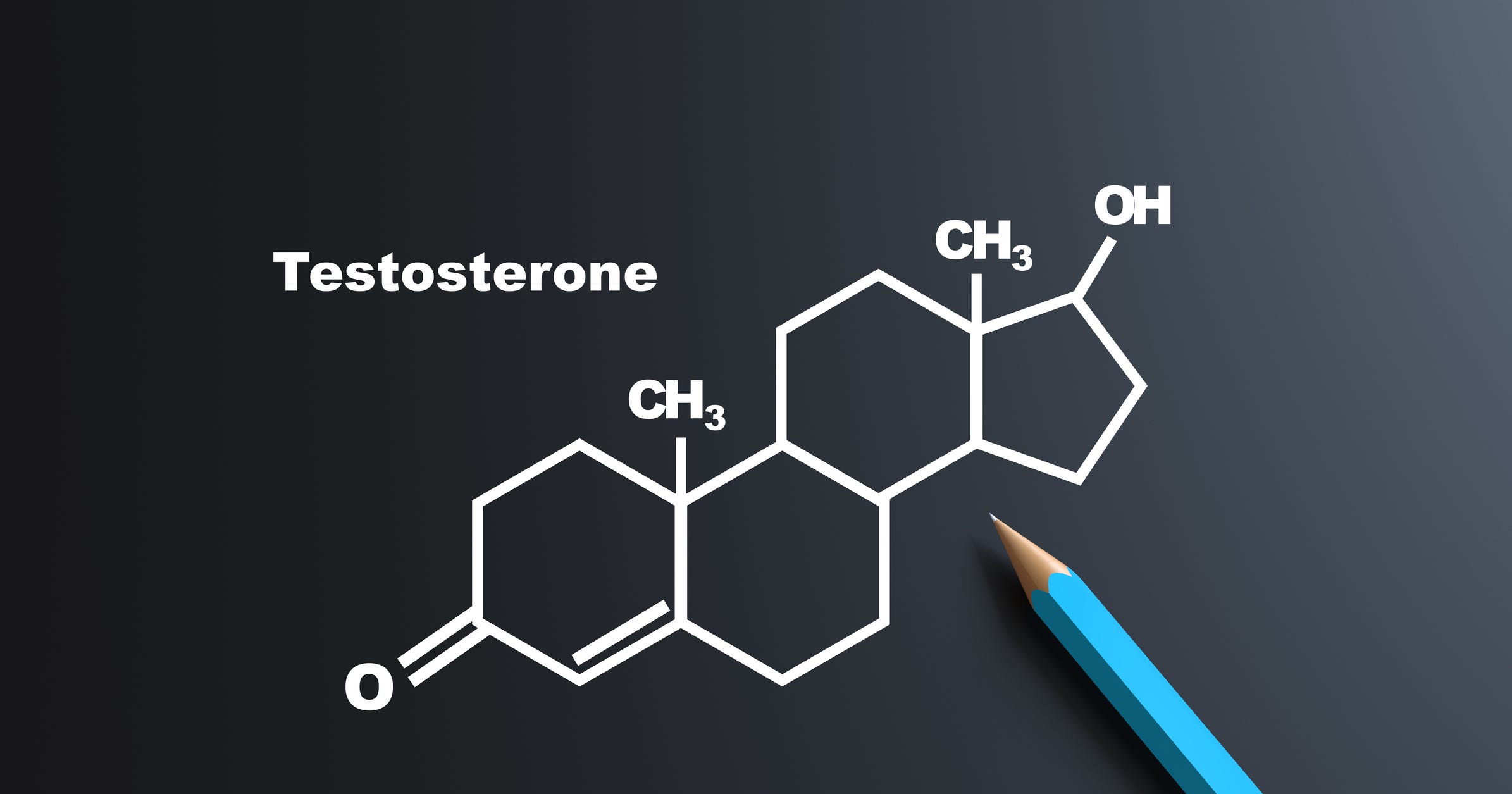
There is an interesting new study on testosterone and other androgen levels, published by Wang et al. (Dr. Sue Davis’ group).
This is an observational study from the Australian Women’s Midlife Years Study, a nationally representative, community-based sample of women. The fact that the women were not recruited from a doctor’s office or in response to advertisements about sexual function is important if we want to understand the baseline in the general population. Those recruitment methods can disproportionately enroll women with sexual health concerns, potentially skewing the results.
The study is also large, including 136 premenopausal and 595 peri- and postmenopausal women aged 40–69 years. It is exceptionally rigorous as it excluded women with confounders that muddied previous studies, such as those with thyroid dysfunction, moderate-to severe depression, and those who had previously had their ovaries removed. The goal was to determine a baseline of information in the general population with regard to the effects of hormones on sexual desire, orgasm and arousal using a more rigorous and precise methodology than in previous studies.
The hormones measured were testosterone, DHEA, and androstendione; the latter two are androgens that are precursors to testosterone. All hormones were measured by LC-MS/MS, which is the gold standard, and sexual function was assessed using the Profile of Female Sexual Function (PFSF) questionnaire, which captures desire, arousal, orgasm, responsiveness, pleasure, self-image, and sexual concerns. This is a 37-item 30 day questionnaire, so it captures a lot of information. The authors considered an unusually comprehensive number of variables: age, BMI, residential location, ancestry, education, relationship status, smoking, alcohol use, LGBTQIA+ identity, moderate-to-severe vaginal dryness, and history of sexual abuse.
What did they find?
Sexual Desire: No Hormone Was Linked
None of the hormones measured, not testosterone, not androstenedione, not DHEA, had any statistically significant association with sexual desire in either premenopausal or peri-postmenopausal women.
Also, DHEA was not linked with any outcome, so we’ll drop that from the discussion.
Orgasm: A Small Association, Significance Questionable.
Testosterone: The results showed a small tiny, winding association with orgasm scores in premenopausal women only, not a straight line where higher levels equal
